Beat the Ban: How to Prepare Your Garden for Heatwaves and Hosepipe Bans
It might seem like an obvious topic, but as our climate shifts, I think it's becoming one of the most important conversations we can have as gardeners. This summer has been a constant battle to keep everything alive through heatwave after heatwave.
It's honestly made me question my timing in starting a gardening business. Not enough to make me consider giving it up — I love this work too much for that. But it has made me rethink how I approach things: which plants I can realistically rely on again and again, and what kind of infrastructure I should be setting up now to prepare for more droughts and unpredictable weather ahead.
With that in mind, I wanted to share what we can all be doing on a smaller scale — particularly us gardeners — to better prepare ourselves and our gardens for whatever the future climate throws at us. The focus here is water conservation, so we can all keep enjoying our gardens year-round.

Plan Ahead: Store Water Before You Need It
The first step is planning before heatwaves and hosepipe bans arrive. That means storing as much water as your space allows, so when the rain stops for weeks on end, you can keep your plants going.
The simplest option is a water butt with a rain diverter, which collects rainwater straight from your roof. It's cheap and easy to set up, and as a bonus, plants generally prefer rainwater to tap water. You can even get ones that you can put plants in! If you've got more space, larger storage systems let you collect rainwater in bulk while also topping up from the mains — these suit bigger gardens, or small growing businesses that may not face the same restrictions during droughts.
There are also watering aids worth considering, such as electric pumps that sit in a water butt and connect directly to a hose, saving you the back-and-forth of carrying watering cans.
Choosing the Right Plants
Before the warmer months set in, it's also worth rethinking what you plant and how you design your garden. I plan on writing a larger blog post on the topic of drought tolerant plants, but for now here's where I'd focus:
· Go drought-tolerant – lavender, sedum, euphorbia, and ornamental grasses are all well-suited to dry spells and need far less watering once established.
· Favour perennials over annuals – perennials build deeper, more established root systems over time, meaning they need less frequent watering as they mature. Annuals, by contrast, often need consistent watering to survive a single season.
· Group plants by water needs – keeping thirsty plants together and drought-tolerant ones together makes watering more efficient and prevents over- or under-watering.
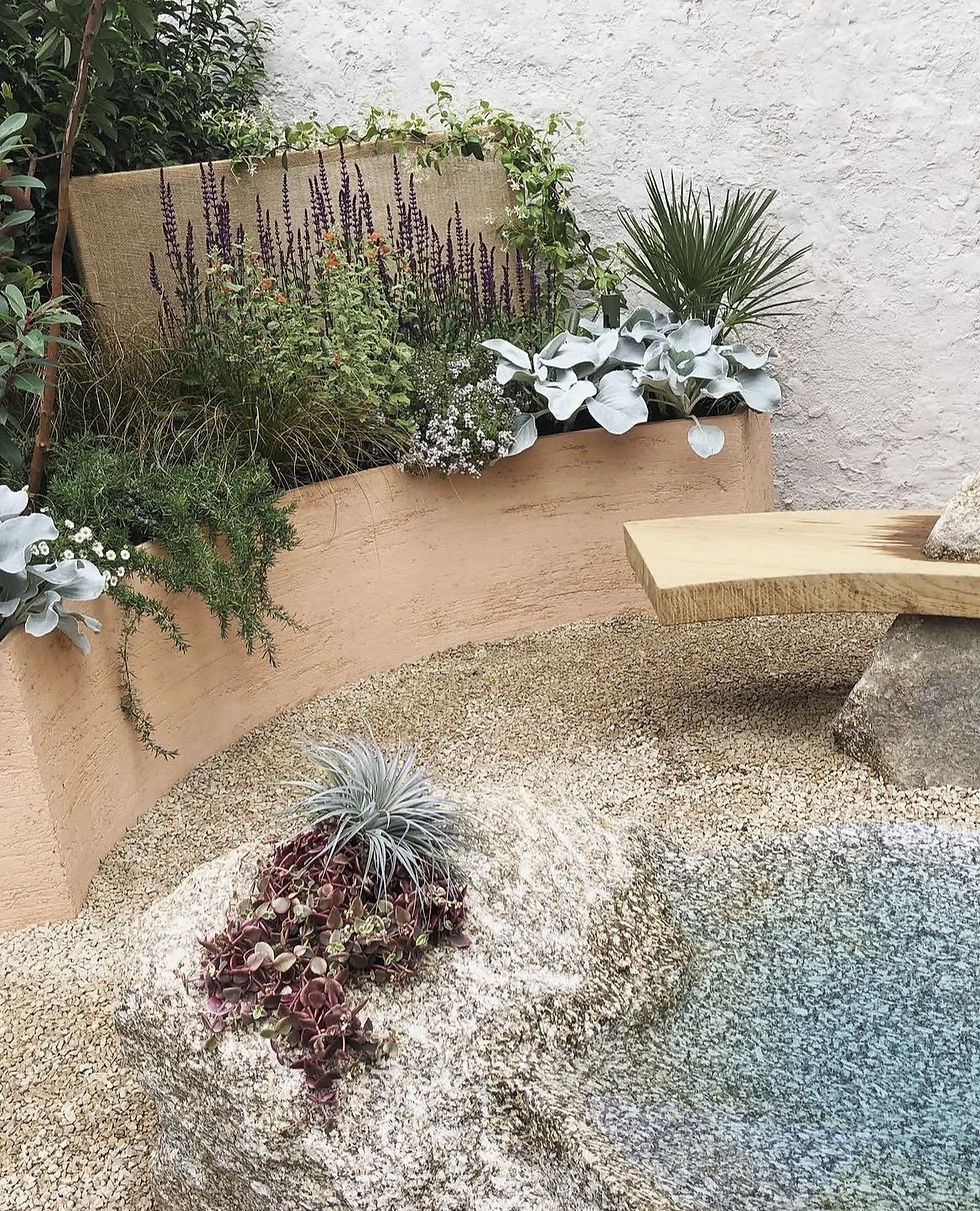
· Re-think your layout – reducing lawn area in favour of gravel gardens, ground cover, or drought-tolerant borders can significantly cut water demand.
Reduce Water Use at Home
Once you're in the thick of a heatwave, it's worth thinking about where you personally use the most water — and how to re-purpose it. The obvious ones are washing up and bathing: using a washing-up bowl instead of running the tap, then tipping the leftover water onto non-edible plants, or catching the water that runs while your shower warms up in a bucket. Slightly less obvious sources include the water you use to hose down a muddy dog after a walk, rinse fruit and veg, or clean outdoor furniture — all of which can often be redirected onto the garden instead of down the drain.
Smart Watering Techniques
When it comes to actually watering your plants, a few habits make your water go much further:
· Water in the morning – less evaporation means more water reaches the roots.
· Target the soil, not the leaves – drip irrigation, especially in greenhouses, delivers water directly to the roots where it's needed.
· Soak, don't sprinkle – watering deeply but less often encourages stronger root growth and uses less water overall than frequent light watering.
Soil and Garden Maintenance
Healthy soil holds onto moisture far better, so it's worth investing time here too:
· Mulch generously – bark chippings or straw help retain moisture in the soil and keep weeds at bay.
· Add compost – mixing compost into your soil improves its structure and helps it retain moisture below the surface. I’ve used Sylagrow by Melcourt for years and swear by it!
· Weed regularly – weeds compete with your plants for the water that's available, so keeping on top of them protects your existing moisture.
None of these changes need to happen overnight, but building them into your routine now — before the next heatwave hits — will make a real difference to how your garden copes. Small, consistent habits like these are exactly what will help us keep gardening confidently, whatever the weather has in store.




Comments